
Key Specifications & Performance
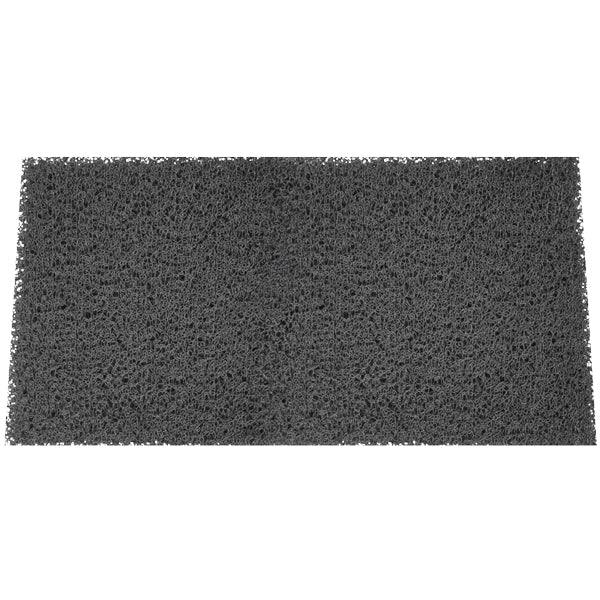
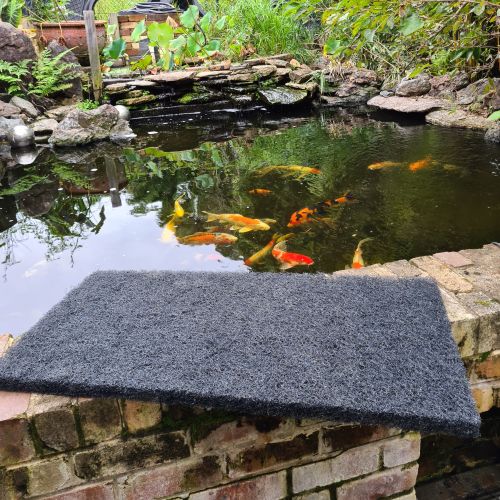
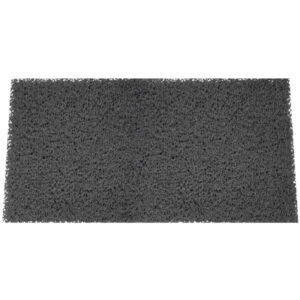
Massive Volume: $200 \times 100\text{ cm}$ (2m $\times$ 1m sheet) giving you a full 2 square meters of filtration area.
Ultra-Thick 8cm Profile: Provides immense depth-loading capabilities. Debris is trapped deep inside the matrix rather than just coating the surface, allowing the mat to run months longer between cleanings.
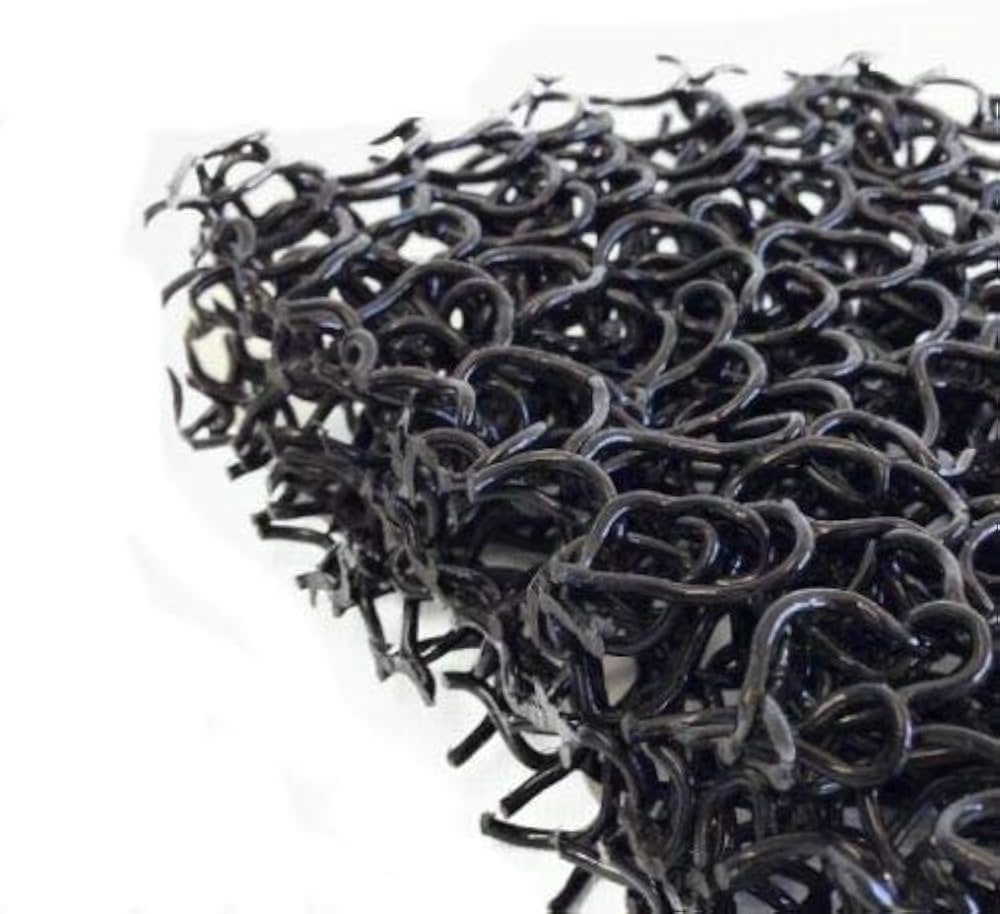
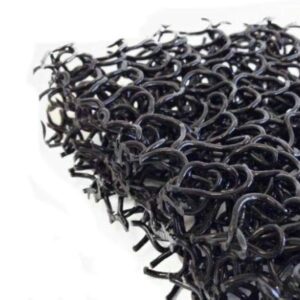
Extra-Coarse Fiber Matrix: Maximizes water flow rates while creating a perfect structural home for massive colonies of beneficial nitrifying bacteria.
Why the 8cm Black Mat is Essential for Serious Ponds
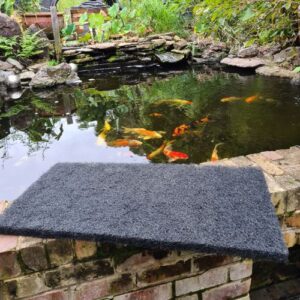
Anti-Clogging Guard Dog: Because the fibers are extra-coarse, it lets tiny particles pass through to finer media while capturing heavy string algae, leaves, and large fish waste. It is virtually impossible to clog this mat under normal pond conditions.
Zero Structural Collapse: At 8cm thick, this mat is incredibly rigid. It will not bow, compress, or shift out of place, even under the crushing water pressure of high-flow pond pumps.
Maximum Bio-Surface Area: The sheer volume of an 8cm depth provides an enormous internal surface area. It acts as a massive biological powerhouse, rapidly breaking down toxic ammonia and nitrites from heavy fish loads.
Buy Once, Use for Years: Made from tough, thermo-bonded UV-resistant fibers, these mats do not degrade in water. You can power-rinse them down with a hose repeatedly for years without the structure breaking down.
Best Placement in a Multi-Stage Filter
To prevent finer media down the line from getting choked with sludge, arrange your filtration layers like this:
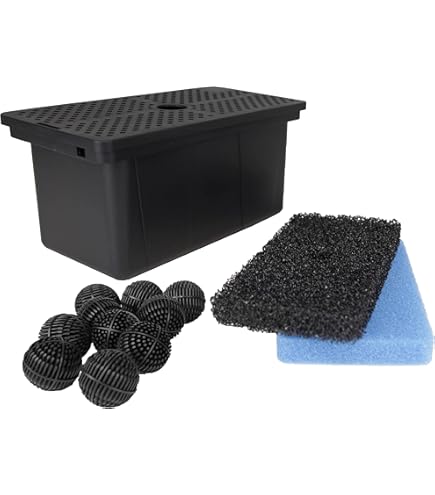
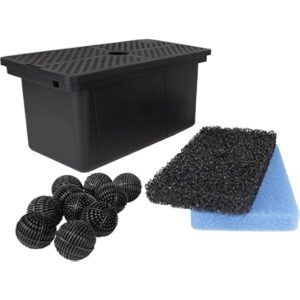
[ Water In ] ──> 1. Black Mat (8cm) ──> 2. Blue Mat (4cm) ──> 3. Fine Pads/Bio-Media ──> [ Pond ]
                  (Heavy Debris)         (Medium Debris)       (Water Polishing)
Stage 1 (Coarse Mechanical): Place the 8cm Black Mat first. It takes the brunt of the raw pond waste and shears large solids out of the water.
Stage 2 (Medium Mechanical/Bio): Follow with a 4cm Blue Mat to catch the medium-sized particles that slipped through.
Stage 3 (Biological/Polishing): Conclude with fine wool pads or moving bed media (like K1) for that crystal-clear finish.
Cutting Tip
Because this sheet is a thick 8cm, cutting it with a standard utility knife can be tough. For a perfectly clean, straight edge, use a fine-toothed hand saw, a serrated bread knife, or an electric jigsaw.

Reviews
There are no reviews yet.