
Overview
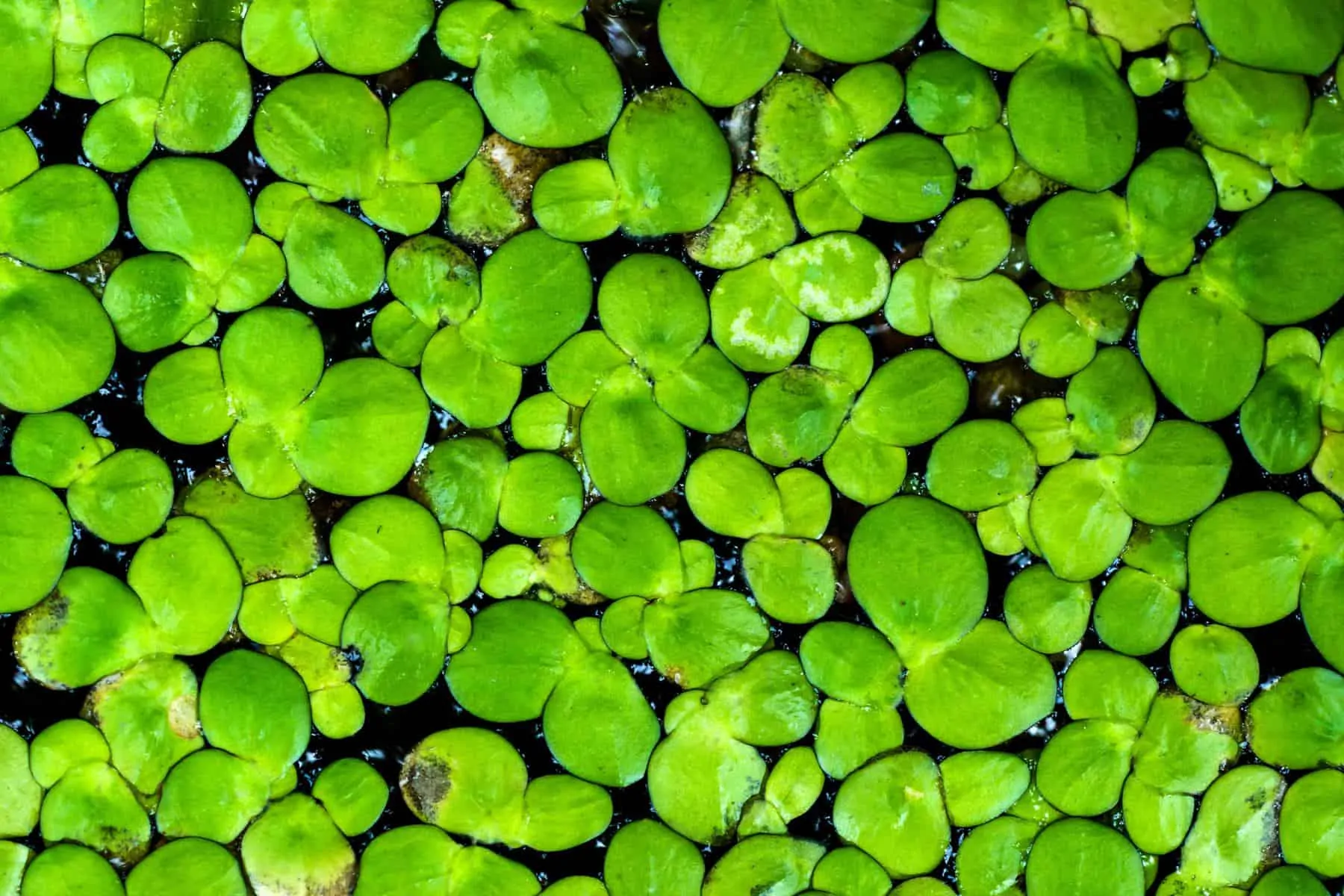
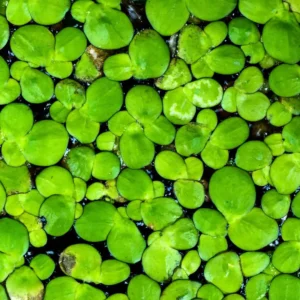
Duckweed refers to tiny floating aquatic plants from the family Lemnaceae that naturally drift across the surface of freshwater aquariums and ponds. These small emerald green plants consist of simple fronds with minimal structure and flourish in calm, nutrient-rich water — making them a popular and versatile choice for hobbyists looking to improve both aesthetics and water quality.
Key Features
- Fast-Growing Floating Plant: Forms a dense mat across the water surface with rapid reproduction.
- Natural Water Purifier: Absorbs excess nutrients like nitrates and phosphates, helping maintain clearer, healthier water conditions.
- Oxygenation Support: Like other aquatic plants, it contributes to oxygen levels in the water through photosynthesis.
- Shade & Algae Control: The floating canopy reduces light penetration below the surface, helping prevent excessive algae growth.
- Nutritious Food Source: Rich in proteins and fiber, duckweed can be eaten by many fish species as a supplemental food source.
- No Substrate Required: Since it floats, no planting in substrate is needed — just drop it onto the water surface.
Benefits
- Helps balance water chemistry by absorbing unwanted nutrients and reducing algae triggers.
- Creates a natural shaded area that many fish and fry enjoy for shelter and comfort.
- Serves as a supplemental natural food source for herbivorous and omnivorous fish.
- Adds vibrant green surface cover for a more natural, lush aquarium look.
Care & Growth Tips
- Lighting: Grows in a wide range of lighting conditions — from low to bright light — but reproduces more vigorously with good light exposure.
- Water Flow: Prefers calm or slow-moving water, as strong currents can push it underwater or hinder growth.
- Temperature & pH: Hardy and adaptable across common aquarium conditions, thriving in a broad temperature and pH range.
- Maintenance: Frequently remove or thin excess duckweed to prevent it from completely blocking light to lower plants.
Who It’s Best For
Duckweed is ideal for aquarists seeking a natural way to help manage nutrients and algae, provide shade and shelter for fish and fry, or introduce a floating plant without substrate planting. It pairs well with a wide range of freshwater fish, but care should be taken to manage its rapid growth so it doesn’t take over the entire aquarium surface.
Reviews
There are no reviews yet.